4 Mil Anti-Graffiti Film
The standard, practical option for most storefronts, doors and commercial glass. Creates a replaceable sacrificial layer that takes on scratches and surface damage.

Anti-Graffiti Film
Protect storefront glass from scratches, tagging and costly replacement with a sacrificial anti-graffiti layer.
Common reasons clients reach out
The basics
Anti-graffiti film is an optically clear layer applied over the existing glass. It is designed to be damaged — scratching, tagging and etching land on the film instead of the pane underneath, and the film is what gets replaced afterwards. The glass itself stays where it is.
How it works
There is no fixed replacement interval. The film is changed when it needs changing — once scratches, graffiti, etching or hazing become noticeable enough to affect how the storefront looks. Replacing that layer is normally faster and cheaper than replacing the whole glass panel.
Film types
The standard, practical option for most storefronts, doors and commercial glass. Creates a replaceable sacrificial layer that takes on scratches and surface damage.
A thicker protective layer for sites with repeated vandalism, deeper scratching or an elevated risk of damage.
A thicker layer gives more material to absorb damage, but it does not make deep damage impossible. The final choice depends on the site and the condition of the glass, which is why we look before recommending.
If the pane itself is scratched or etched, we assess polishing and restoration before any new film goes on. Some deeper damage cannot be removed completely — we say so before quoting.
Choosing a film
| Type of damage | How the film helps |
|---|---|
| Key marks, tool damage and street-level abrasion | Lands in the sacrificial layer, not the pane |
| Spray paint and marker tagging | Sits on the film; the layer is replaced if cleaning falls short |
| Acid etching | Attacks the film first — protection, not immunity to every compound |
| Hazing and general wear on the layer | Replaced when it becomes noticeable |
| Damage that reached the glass itself | Polishing assessed first; some depths cannot be fully removed |
Key benefits
Real projects
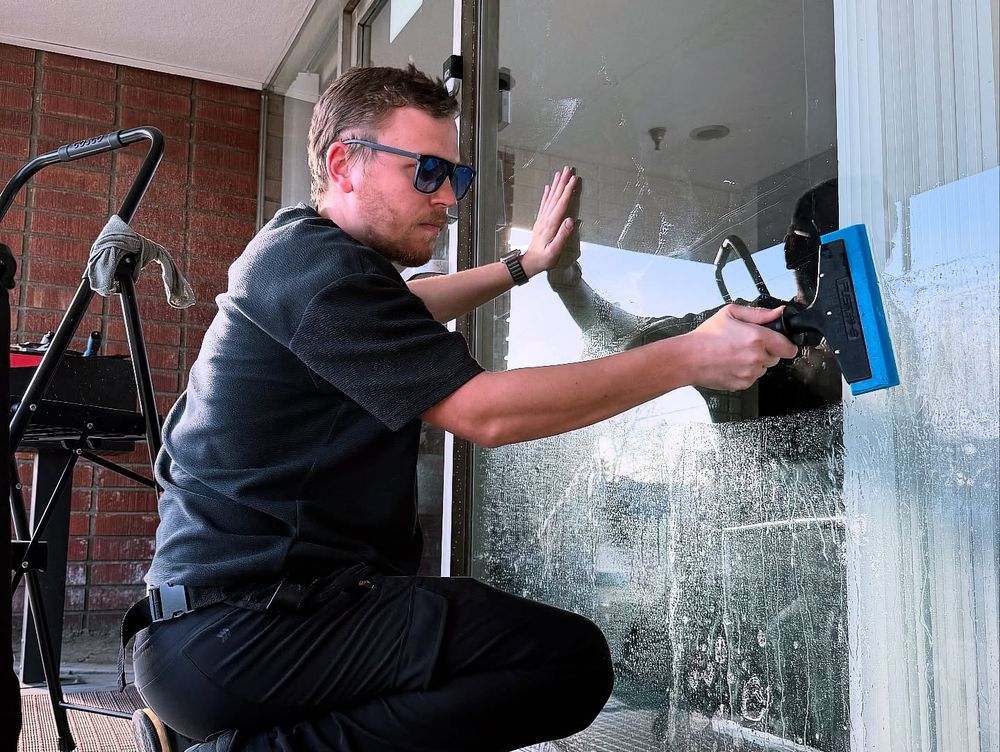
A replaceable protective layer installed across street-facing entry glass to help reduce the cost of future graffiti and surface damage.
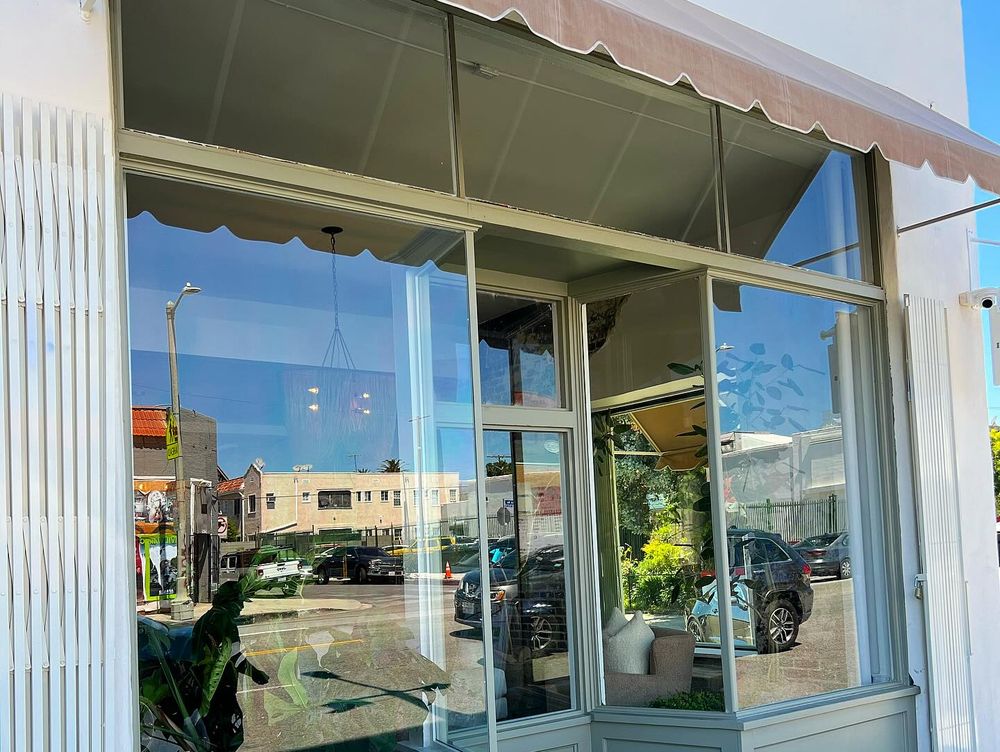
The existing storefront glass was polished to remove surface damage, then protected with a new replaceable layer of anti-graffiti film.
Process
We look at what the damage actually is — surface marks on a film layer, or damage that has reached the glass itself.
Any previous anti-graffiti film is taken off so the pane underneath can be seen and worked on.
The surface is cleaned down so the new layer bonds properly and no debris is trapped underneath.
If the glass is marked or etched, we assess polishing first. Some deeper damage cannot be fully removed, and we tell you before starting.
The 4 mil or 7 mil layer is fitted to each pane, chosen for how exposed the glass is and how it has been damaged before.
Edges and the finished surface are checked so the layer sits cleanly and can be removed again later.
FAQ
No. It does not stop anyone from scratching or tagging the glass. What it changes is the outcome: the damage lands on a replaceable layer instead of the pane, so you replace film rather than a storefront panel.
4 mil is the standard, practical option for most storefronts, doors and commercial glass. 7 mil is a thicker protective layer for sites with repeated vandalism, deeper scratching or elevated risk. The final choice depends on the site and the condition of the glass.
No, and we would not claim that. A thicker layer gives more material to absorb damage, but deep enough damage can still go through. It is a matter of how much it takes, not whether it is possible.
It gives the etching something to attack other than the glass — the sacrificial layer takes it instead. How much protection you get depends on the substance and how long it sits, so this is protection rather than a guarantee against every compound and depth.
Yes, and that is the whole point of it. The damaged layer comes off, the glass is cleaned and prepared, and a new layer goes on. The original pane stays in place.
There is no fixed interval. It is replaced when it needs to be — when scratches, graffiti, etching or hazing have become noticeable enough to matter. Some storefronts go years; heavily targeted ones go sooner.
We assess whether polishing or restoration can bring it back before any new film goes on. Some deeper scratches and etching cannot be removed completely, and we tell you that up front rather than after the fact.
Yes. On some commercial storefronts, solar-control film and anti-graffiti film can be used as a combined system to address heat, glare and surface damage. The correct film order and compatibility depend on the glass, film products and installation conditions, so the system is confirmed after the glass is reviewed.
Clear anti-graffiti film leaves the storefront looking essentially unchanged — the glass keeps its appearance and light level. In most applications it is difficult to notice during normal viewing, though edges, reflections or certain lighting can still reveal it.
Many storefront installations can be completed within one day, depending on the number and size of panels, access and whether removal or polishing is required. We confirm the timeline once we have seen photos and a panel count.
Yes, and it is a common request for retail and restaurants. Tell us your trading hours when you send photos and we will schedule around them.
Where we work
We install anti-graffiti window film throughout Los Angeles and surrounding areas for retail storefronts, restaurants, offices, commercial entries and interior glass.
Next step
Send photos of the glass, panel count, approximate measurements and your ZIP code. We’ll confirm whether polishing is needed and recommend a film thickness.