Offices
Glare on screens, overheated desks near the glass, and meeting rooms that need privacy without losing daylight. Usually solar control on the perimeter, frosted or switchable film on interior partitions.

Commercial Window Film
Window film for offices, retail, restaurants, schools, clinics and industrial buildings — solar control, privacy, safety and surface protection across commercial glazing.
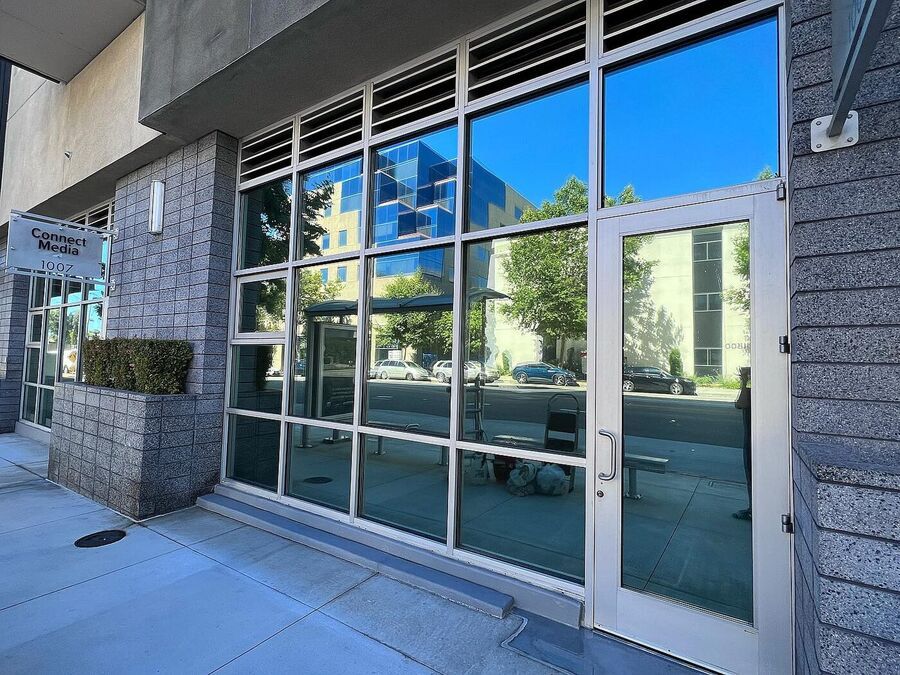
Common reasons clients reach out
Film types
Glare on screens, overheated desks near the glass, and meeting rooms that need privacy without losing daylight. Usually solar control on the perimeter, frosted or switchable film on interior partitions.
Customer-facing glass that has to stay presentable while taking street-level wear. Solar control for comfort and merchandise, plus a sacrificial layer where the glass gets hit.
Afternoon sun on dining areas, glare at window seats, and entry glass in constant use. Work is usually scheduled outside service hours.
Ground-floor classroom glass, corridors and entry doors, where safety, heat control and privacy may all be important. Work can be scheduled after hours or around the school calendar.
Reception, consult rooms and interior glazing that need daytime privacy and a clean, non-clinical finish. Frosted and decorative finishes are the usual answer.
Large glazed areas, roof glazing and attached office spaces where heat, glare and accessible glass may require different film solutions.
Choosing a film
| Your problem | Where to go next |
|---|---|
| Heat and glare on staff and customers | Solar control film |
| Privacy in offices, clinics and meeting rooms | Decorative & privacy film |
| Privacy that switches on demand | Smart film |
| Broken glass and forced-entry concerns | Safety & security film |
| Scratching and tagging on street-level glass | Anti-graffiti film |
| Customer-facing frontage as a whole | Storefront protection |
Scheduling
We can install outside your operating hours — evenings, early mornings or closed days. For retail, restaurants and schools that is the normal arrangement rather than the exception. Tell us your hours when you send photos and we will plan around them.
Paperwork
Commercial jobs are invoiced properly, and we can supply the documents your accounts team needs to set us up as a vendor.
Larger sites
A large building does not have to be done in one visit. Glazing can be split by floor, wing or elevation so the site keeps operating. Send photos and a glazing count and we will propose an order of work.
Key benefits
Real projects
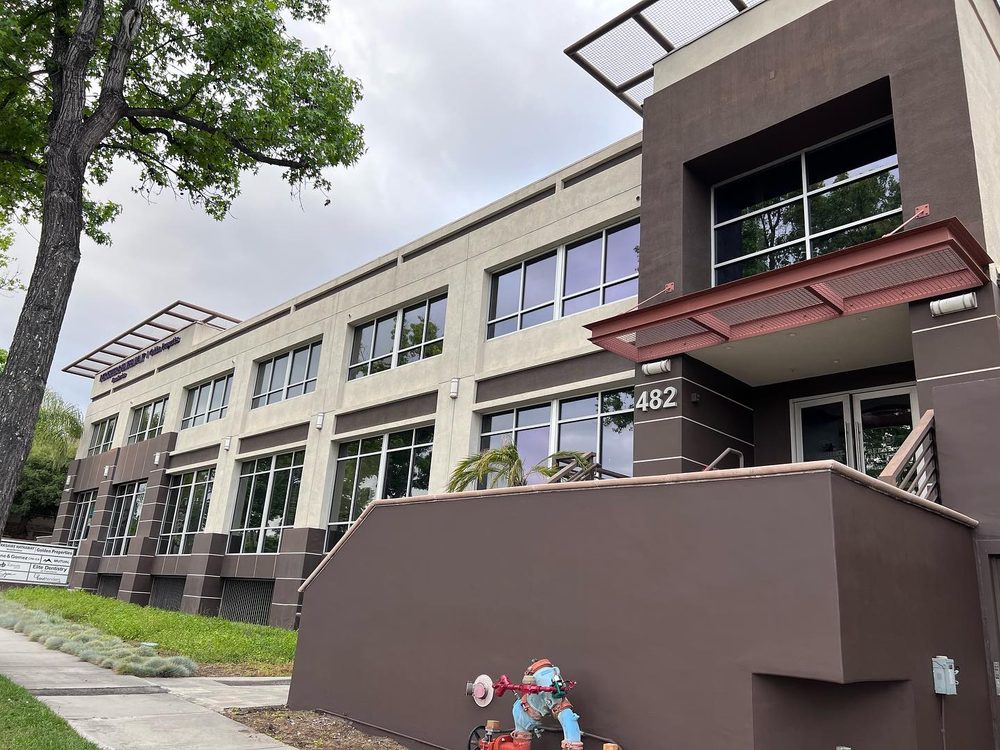
The old film was removed, the glass was cleaned and prepared, and new solar-control film was installed across 930 sq. ft. of office windows. The project was completed in three days.
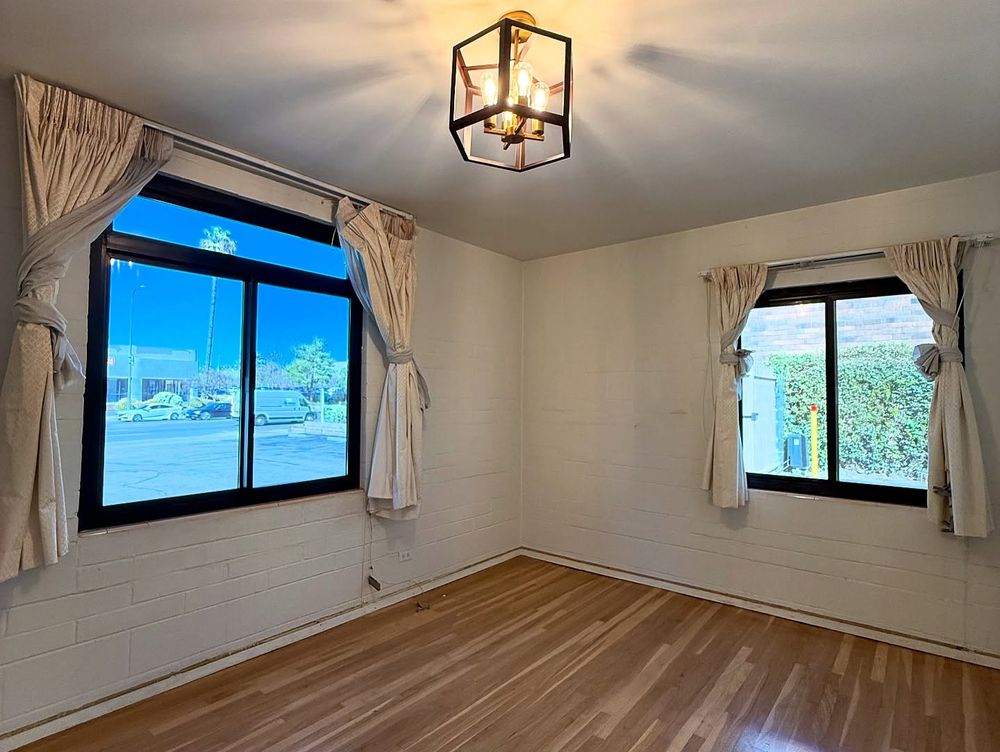
Sun protection film installed across the office windows to cut heat and glare in the working rooms.
Process
Share photos of the frontage and interior glass, rough sizes and what the building is used for.
We look at glass type, sun exposure, access, and which glazing is yours versus the landlord’s.
Different areas usually need different answers — perimeter glass, partitions, entry doors and ground-floor glazing.
Outside trading hours where needed, and split into phases on larger sites.
Film is installed, curing guidance is given, and the invoice — plus a W-9 on request — follows.
FAQ
Yes. Evenings, early mornings and closed days are all workable, and for retail, restaurants and schools that is usually how it is done. Tell us your operating hours when you send photos and we will schedule around them.
Yes. Commercial work is invoiced to the business, and a W-9 is provided on request so your accounts team can set us up as a vendor. Scope and line items are agreed in the estimate before anything starts.
For leased premises, often yes — many leases cover alterations to the glazing. It is worth checking early, because approval can take longer than the installation. We can supply product details for the request.
Often, but not with every film. The wrong film on insulated glass can create thermal stress, and it may affect the glazing warranty. We confirm the glass type first and use films rated for it.
It depends on the glazing count, panel sizes and access — a small office suite is very different from a full frontage or roof glazing. We give a timeline once we have seen photos and a count.
Yes, and on bigger sites it is usually the sensible approach. Work can be split by floor, wing or elevation so the building stays in use. We propose an order of work based on the glazing plan.
Offices usually combine solar control on the perimeter with frosted or switchable film on interior partitions. Storefronts lean toward solar control plus a sacrificial anti-graffiti layer on the glass that gets hit. The property-type section above points to each one.
Solar-control film reduces the heat coming through the glass, which is why glazed areas feel more comfortable. Whether that shows up as a measurable saving depends on the building, the HVAC and how much of the load comes through glass — we do not quote a figure without a specific product spec and a calculation.
It depends on the film. Clear safety and UV films leave the glass looking essentially unchanged. Solar-control and decorative films are visible by design, and on a commercial frontage that is often the point — we show samples before anything is ordered.
Yes. Both come with their own constraints — term calendars and after-hours access for schools, privacy and a clean finish in reception and consult rooms for clinics — and we plan the work around them.
Where we work
We install commercial window film throughout Los Angeles and surrounding areas for offices, retail, restaurants, schools, clinics, and warehouse and industrial buildings.
Next step
Send photos of the glazing, a rough panel count and your ZIP code. Tell us the property type and your operating hours, and we will recommend a film for each area.